Never Start a War You Are Not Prepared to Finish
The question is not whether the Iranian regime is detestable. It is. The question is whether American leaders understood what force could achieve, what it could not, and what happens when a great power blinks.
If the United States is going to use military force, then the first obligation is not rage. It is clarity.
Not slogans. Not televised swagger. Not a secretary of defense mistaking applause lines for doctrine. Not a president confusing a strike package with a strategy.
Clarity means answering the old, ugly, unavoidable questions before the first missile leaves the rail:
- ObjectiveWhat are we trying to make the enemy do?
- End StateWhat does success look like the morning after the last bomb falls?
- CostWhat price are we willing to pay, and for how long?
- Enemy WillWhat does the opponent value more than comfort, infrastructure, or survival?
- AftermathWhat happens when the enemy does not react the way our briefing slides predicted?
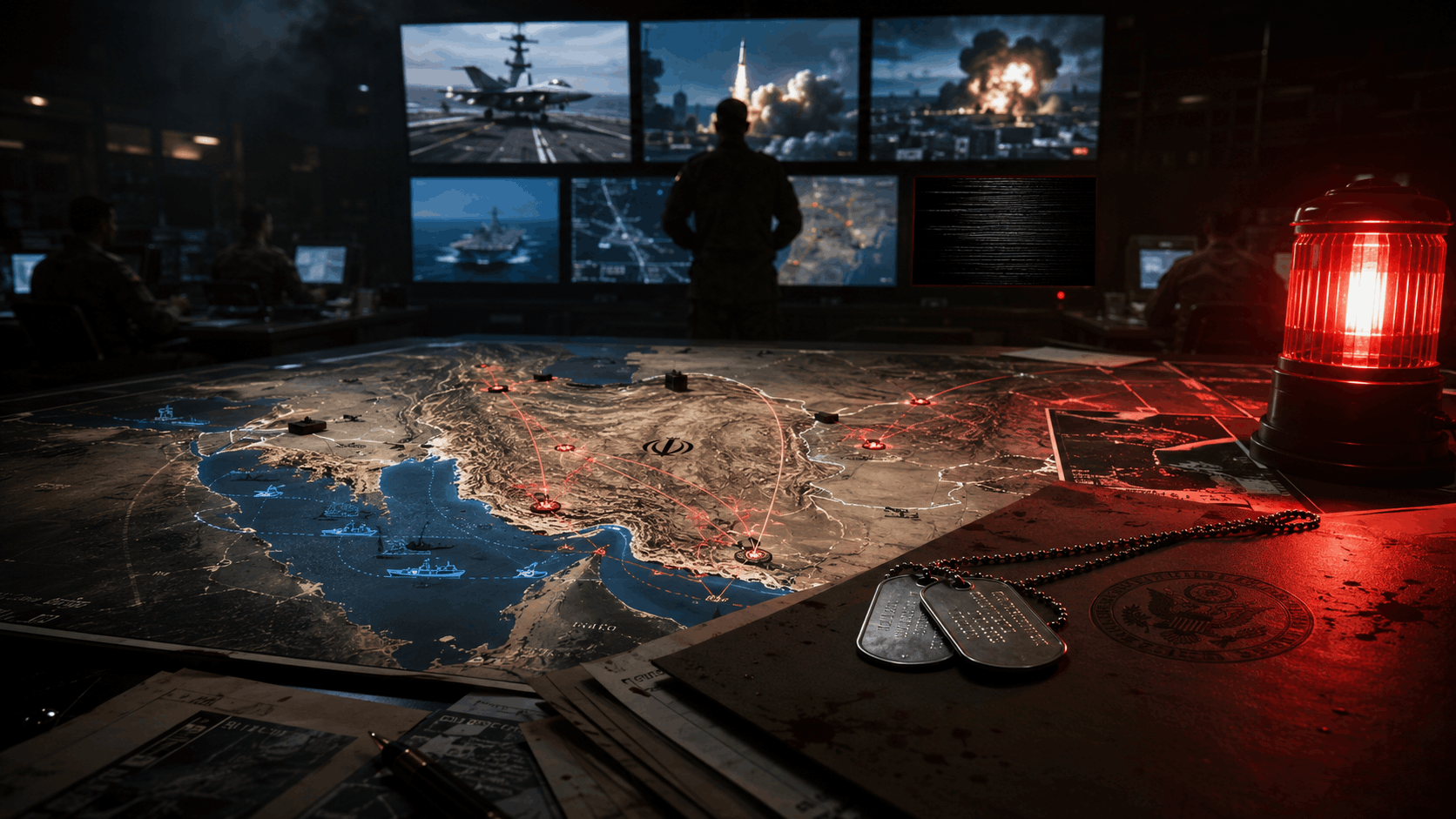
That is where this Iran campaign appears to have failed.
If you are going to use military force, then you ought to use overwhelming military force. Use too much and deliberately use too much; you'll save lives, not only your own, but the enemy's too.General Curtis LeMay
LeMay’s argument was brutal, but it was not stupid. The serious reading is not that violence is good. The serious reading is that half measures in war can become the most expensive form of cruelty.
A partial war is not prudence. It often becomes the worst of both worlds. It kills people, spends credibility, rallies the enemy, frightens allies, and still fails to achieve the political result that justified the force in the first place.
You must understand your opponent.
This is the point arrogant countries keep forgetting. Believing your own superiority is not strategy. It is self-hypnosis with better stationery.
Iran is not a liberal democracy waiting to be embarrassed into compliance. The Iranian regime is theocratic, repressive, and dangerous. It operates inside an ideological world where resistance, martyrdom, humiliation, and survival have political value. That does not make the regime admirable. It makes the regime harder to coerce with punishment alone.
Air and naval strikes can destroy facilities. They can kill commanders. They can delay programs. They can impose costs. But they do not automatically produce submission, especially from a regime that can turn endurance itself into propaganda.
If your theory of victory depends on the enemy thinking like you, fearing like you, and valuing what you value, you are not doing intelligence. You are talking to a mirror in uniform.
The enemy does not have to defeat the United States militarily. Sometimes the enemy only has to survive long enough to claim that America hit hard, stopped short, and walked away.
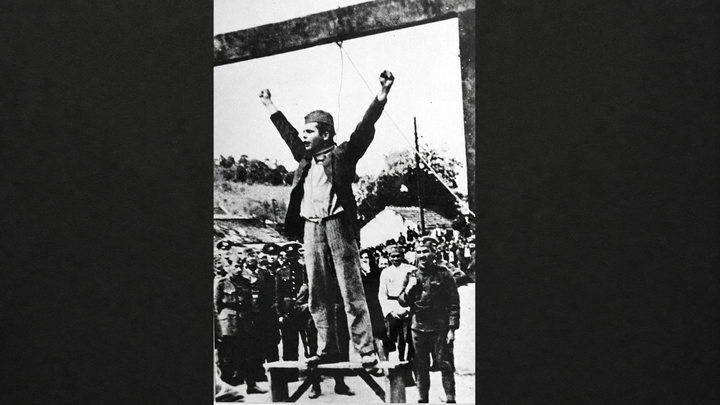
Vietnam was not a failure of effort. It was a failure of strategic honesty.
The final message from Saigon Station should haunt every American leader tempted by limited war without a coherent end state:
This will be final message from Saigon station. It has been a long and hard fight and we have lost.Final message from Saigon Station
The message did not describe a lack of effort. America spent lives, money, aircraft, ammunition, diplomacy, and national attention on Vietnam. The failure was not that nothing had been committed. The failure was that so much had been committed while the country refused to align means, ends, patience, public will, and political reality.
The warning at the end was simple: learn from this, or repeat it.
That is the part we keep failing.
Politicians love the easy part of war. The speech. The flags. The maps. The verbs: hit, strike, punish, destroy. They like the clean footage from the camera mounted on the weapon. They like the appearance of resolve.
But war is not judged by the explosion. War is judged by the political result.
Trump wanted the appearance of overwhelming strength without the discipline it requires.
This is not an argument that the United States should have occupied Tehran. It is not an argument for reckless escalation. It is not a defense of the Iranian government, which deserves every honest condemnation it gets.
The argument is colder than that.
Do not begin a military campaign unless you understand what force can achieve, what it cannot, and what you are prepared to do when the enemy absorbs the blow and keeps standing.
Trump and Hegseth appear to have believed their own propaganda. They treated force as a demonstration rather than a campaign with a necessary political end state. They seemed to assume that American violence would produce Iranian obedience.
That is not strength. That is strategic vanity.
Iran did not need to win a conventional war against the United States. It only needed to survive, keep the regime intact, claim defiance, and teach every proxy and extremist network in the region that America can be provoked into action, bloodied into negotiation, and waited out.
That is how a tactical success becomes a strategic wound.
Then what?
That is the question every serious military decision eventually faces.
You struck the target. Then what?
You degraded the facility. Then what?
You killed the commander. Then what?
You proved you were willing to use force. Then what?
If the answer is a shrug wrapped in patriotic language, then the country has not been led. It has been performed at.
Great powers do not lose credibility only when they are defeated. They also lose credibility when they show that their leaders can be baited into violence without possessing the patience, seriousness, or political courage to define victory.
We blinked.
Not because America lacked bombs. Not because America lacked ships, aircraft, intelligence, or firepower.
We blinked because our leaders used force without proving they understood the enemy, the objective, the cost, or the end state.
Never start a war you are not prepared to finish. That is not a call for bloodlust. It is a demand for seriousness.
Anything less is not restraint. It is negligence with a flag pin.